
Titles are formed in alliterative pairs.
Guess what? Every alphabet has its own song!
Guess what? Every alphabet has its own song!
Jason's Ultimate Track Remix 😎😎😎
# REMIX
The Ultimate Medley of Jason Music Archive's 8 Best Tracks!
Songs Mixed: Amp Ablaze, Fragile & Fragrant, Sesquipedalian Syntax, Rosa Roja, Iconic Idiot, ZigZag,
Electric Echoes, Power Pop
+
Amp Ablaze
# Rock
My first music project! Amp Ablaze is my first attempt to create a full track with Logic Pro.
Using only the guitar and drum, the song is simple yet vibrant. Feel the energy!
(The guitars were re-recorded later.)
Boulevard of Broken Dreams Lofi Remix ⭐
# Rock >> LOFI
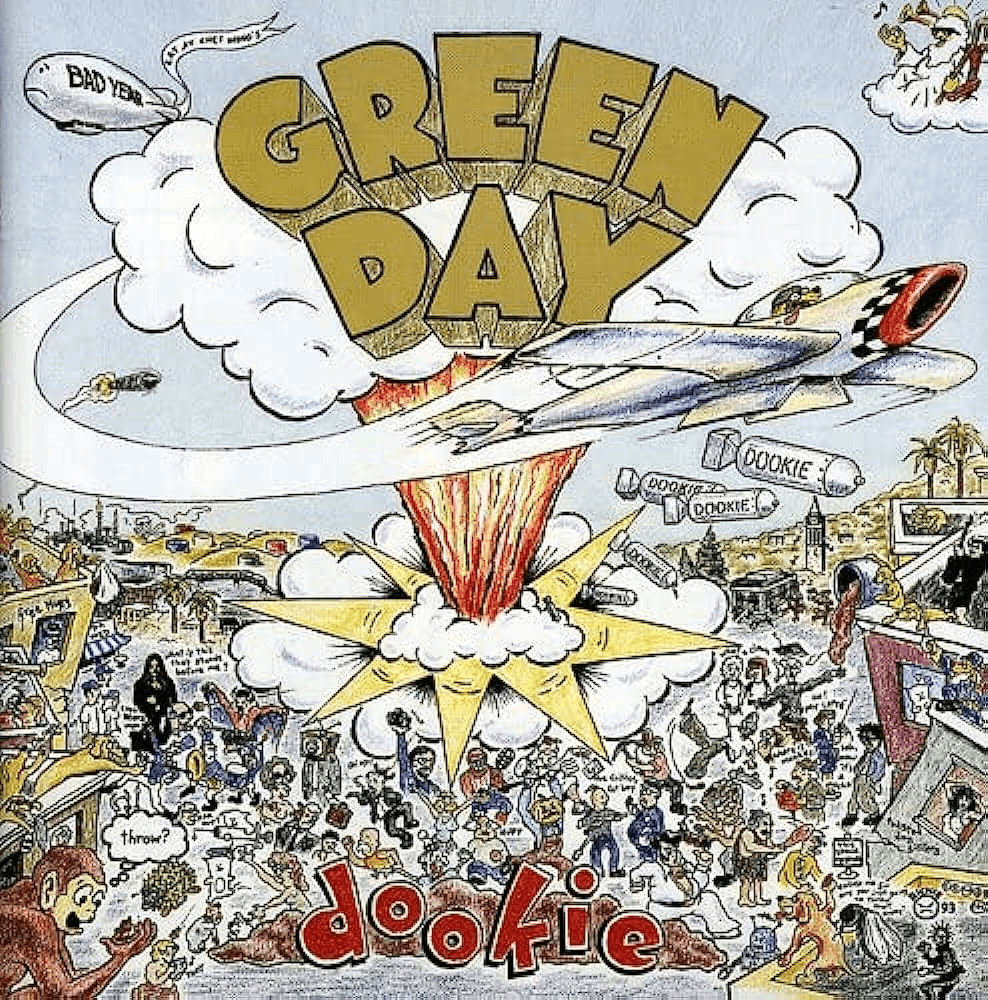
Originally being a hard-rock song, Green Day's Boulevard of Broken Dreams is an anthem of the genre.
As I've loved this song for years, it was a great pleasure to be able to remix this song. I've attempted a LOFI version -
one you'd listen to while studying or reading a book.
P.S. Ambient sounds are made by vinyl.
Cosmic Celebration
# Disco
The Ghostbuster Theme Song by Ray Parker Jr. was the motivation for this song. Being slightly unfamiliar with the
genre, I listened to other Disco songs for reference. Synthesizer manipulation was the key
to creating my Disco vibe.
Dokkaebi Dew ⭐
# Rock
One of my proudest works, period. Dokkaebi Dew is composed only with a guitar on a drum. Starting as a rock jam session,
I got a slick solo while fidgeting with my guitar - and I recorded it, which became the Dokkaebi Dew you're
listening to right now.
Electric Echoes
# Hiphop
A bouncy vibe on hiphop, along with some guitar action. The solo has a new style; playing the same notes of different octaves.
(I got that one from Boulevard of Broken Dreams) I also experimented with a few fx.
They seem fine, but I personally prefer instrument sounds.
Fragile & Fragrant ⭐
# K-Pop # Ballad
This one's completely new; one of its kind, at least in my collection. I tried to go with a ballad song inspired
by K-pop. The guitars are meant to replace vocals, so I played them as how the vocalists would sing.
P.S. I noticed while listening again that the intro somehow resembles Come Out and Play by Billie Eilish.
Or maybe not.
Groovy Grimoire
# Pop
Not sure if it's Pop or Lofi, but the original intention was to make a Pop song.
The track has a complete song form:
intro, verse, chorus, solo, and an outro. Aside from the guitar, I focused more on elaborating bass and chord tones.
Hello Hysteria
# Soul-hop # Hiphop
Hello Hysteria starts as soul and ends as hiphop. I learned throughtout the beatmaking that drums are the key to hiphop.
As the heavy kicks appear, the thin melody suddenly transforms into a rich hiphop beat.
Iconic Idiot ⭐
# Hard Rock
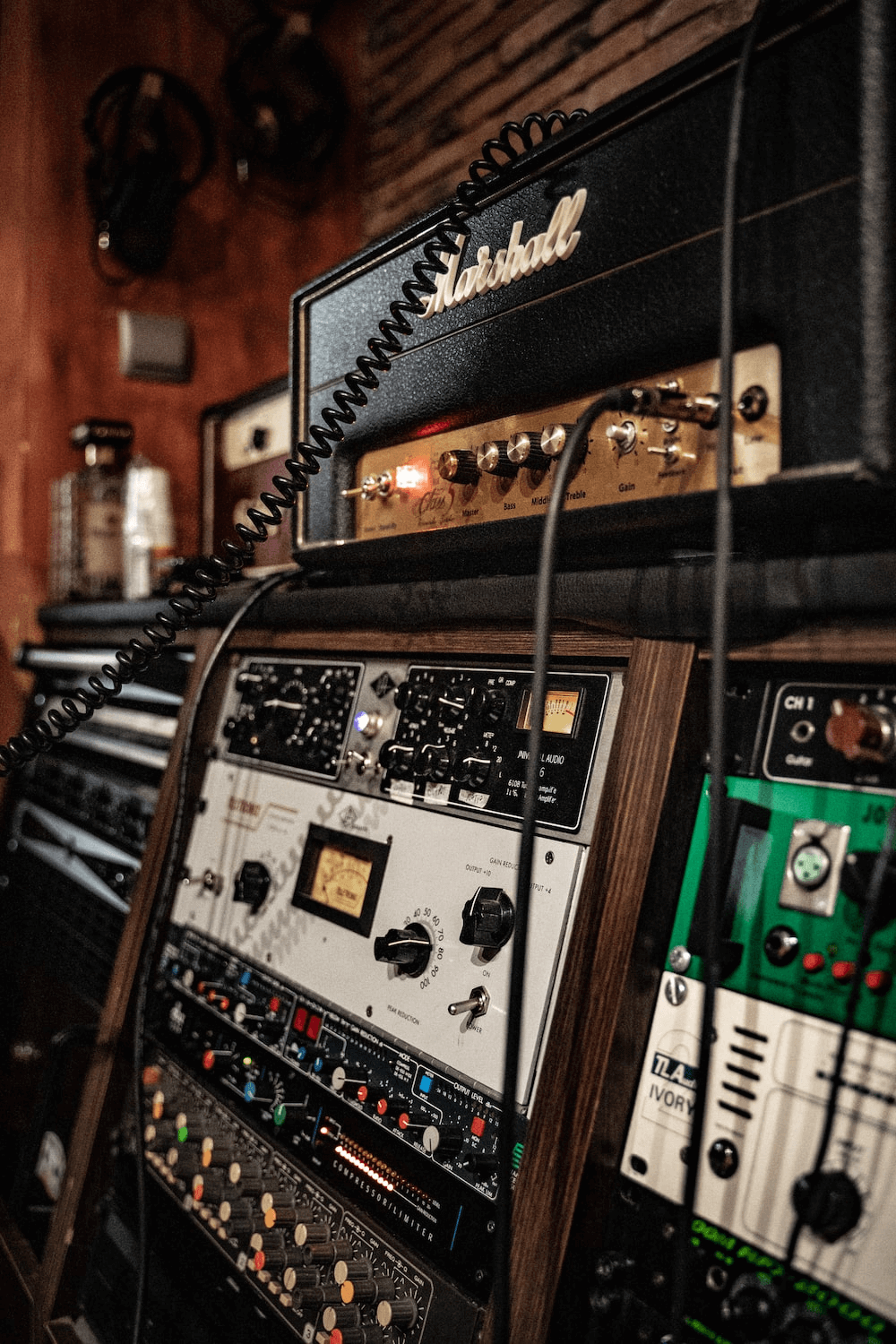
Pure hard rock. I did what I do best - playing with those guitar amps. I emphasized a lot of details
from scratches to guitar tone, gains, buzzing, and distortion. I didn't touch a lot of EQ knobs, because hard rock is meant to be noisy.
Jason's Journey
# Orchestra # Cinematic
Another orchestra vibe, along from the Sesquipedalian Syntax. Unlike the other orchestra song, Jason's Journey is closer to
a cinematic. I added some ticking fx to convey a sense of time. I also put my name in the title:)
Kaze no Kenka ⭐
# J-Rock
I'm not a big fan of animes, but J-Rock was always a cool composition.
The song exquisitely builds to the climax, then bursts out an entire narrative of its own. The title, Kaze no Kenka, means "Clash of the Winds".
Lucky Lady
# 80s
There is much more to music that just modern pop. This time, we go for the 80s, a retro-style music.
Maniac's Mansion
# Hiphop
A blend of hiphop with choir fx. In fact,the choir sounds seem to blend in perfectly especially for hiphop.
I also attempted a bass transition, which turned out quite well.
Name of Nostalgia ⭐
# Reggaeton
A little less of dynamic, a little more of nostalgia. Name of Nostalgia is a slow yet steady song.
Perhaps the groove would be perfect for a short dance!
Offbeat Oasis
# Fusion
I'm not sure what genre Offbeat Oasis may be classified as. It's fusion music, giving an eerie
and somewhat strange impression to the listeners.
Power Pop
# Hiphop # Trap
Highly inspired by BlackPink's Pink Venom type beat.
Quite Quirky
# Jazz
Hmm HmmHmm ~
Rosa Roja ⭐
# Latin # Fusion
Rosa Roja (Red Rose) is a Latin style fusion music. Inspired from Calypso by Luis Fonsi, I used a Latin
style percussion to create rhythmic tension. The highlight of this song is at the finale, where the magic happens...
so listen closely till the end!
Sesquipedalian Syntax ⭐
# Orchestra # Drama
Sesquipedalian Syntax is an orchestra composition with an additional texture of the guitar. The guitar sounds like
an ost from a K-drama (historical-play theme), perhaps in an action scene.
Tranquil Twilight
# LOFI
With soothing melodies and calm percussion, Tranquil Twilight is the perfect option when you need music to relax.
The string instruments add a layer to the music. Syncopations are applied to the studio strings to capture dynamic progression.
Unveiling Utopia
# Future House
Everyone has their pursuit, whether they call it a dream or utopia. Unveiling Utopia aims to
express individuals' adventures to finding their own utopia. They face hurdles, rewards, and companions.
As an adventurer myself, I wonder how my Utopia will be unveiled.
Vexing Venom
# Dubstep
I'm not a big fan of EDM, yet I've always thought it would be a great experience to create one.
With this track, I tried to emphasize that dubstep-style beat drop. DJ, here's the music!
Why Wonder?
# Experimental # Ambient
Just experimenting with unique sounds...
X is for Xerxes ⭐
# Persian
Again, with a new genre! The track weaves a tapestry of the soulful cultures of ancient Persia. With hypnotic rhythms,
the enchanting melody brings you to the beauty of Persian culture heritage.
Yellow Yacht
# High Teen # Pop
Yellow Yacht has a high teen drama narrative. The song itself is quite casual but easy to listen to
anytime, in any mood. I think the solo for this one also came out really well, so check it out ⛵
ZigZag ⭐
# Hiphop
Zigzag reminds me of arcades for some reason. The track has a hiphop drum beat, with a pop/rock style guitar on top.
I've tried a lot of different solos, and the final version was closest to a rap. Overall, ZigZag is one of my best hiphop compositions so far.
+
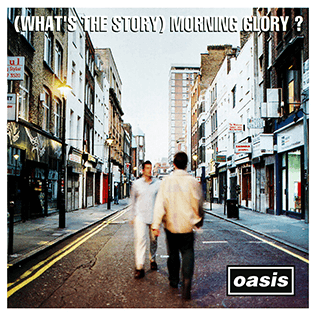
Don't Look Back in Anger (Cover)
# Oasis
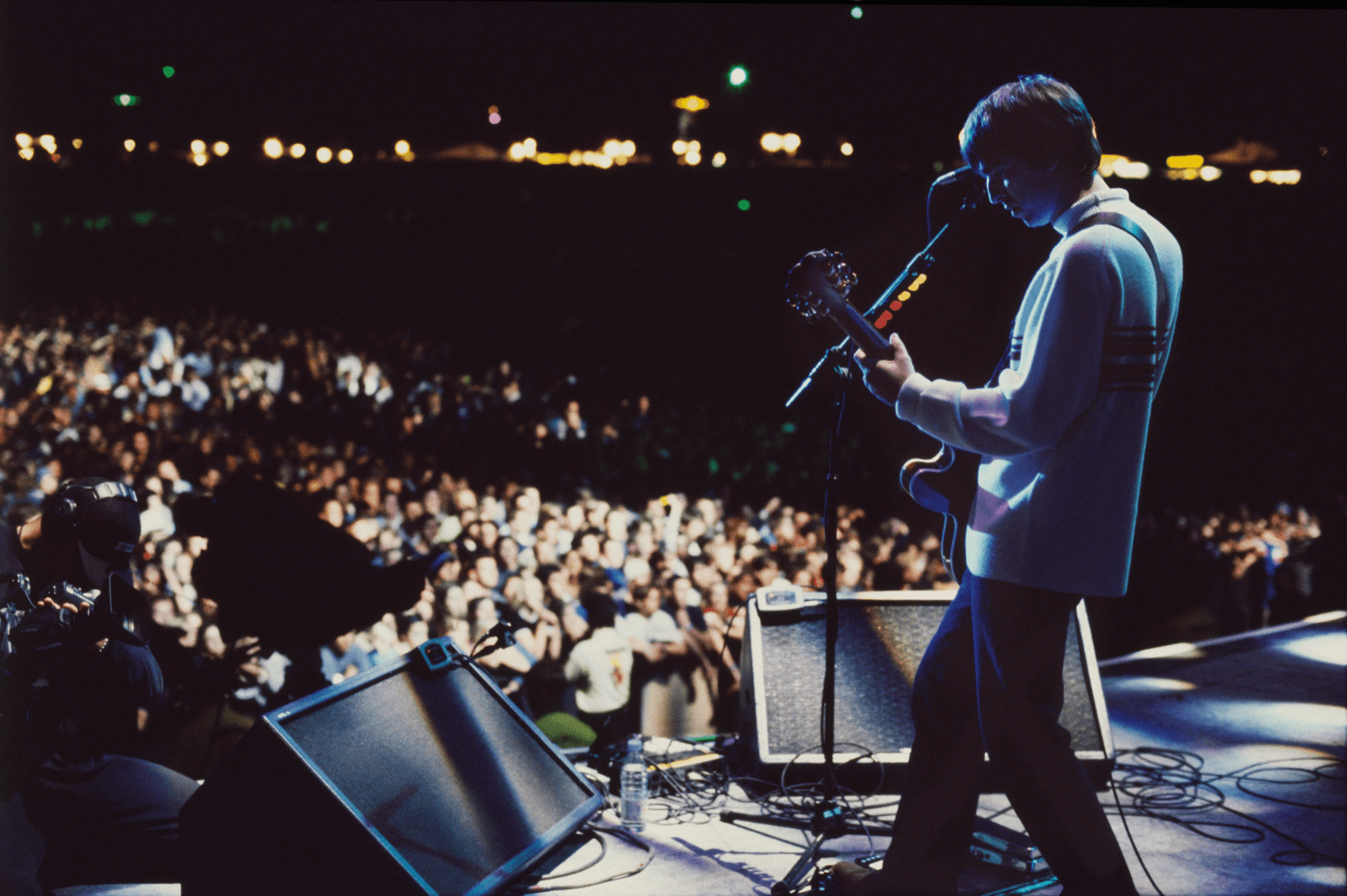
Early Footage of Don't Look Back in Anger (Oasis) Cover
Don't Look Back in Anger was my first song to play on the guitar, and one I still listen to nowadays.
One day, I hope I can make a song as touching as theirs...